Local Culture
A Beginner's Guide to Lagoon Etiquette: Protecting Wildlife and Local Communities
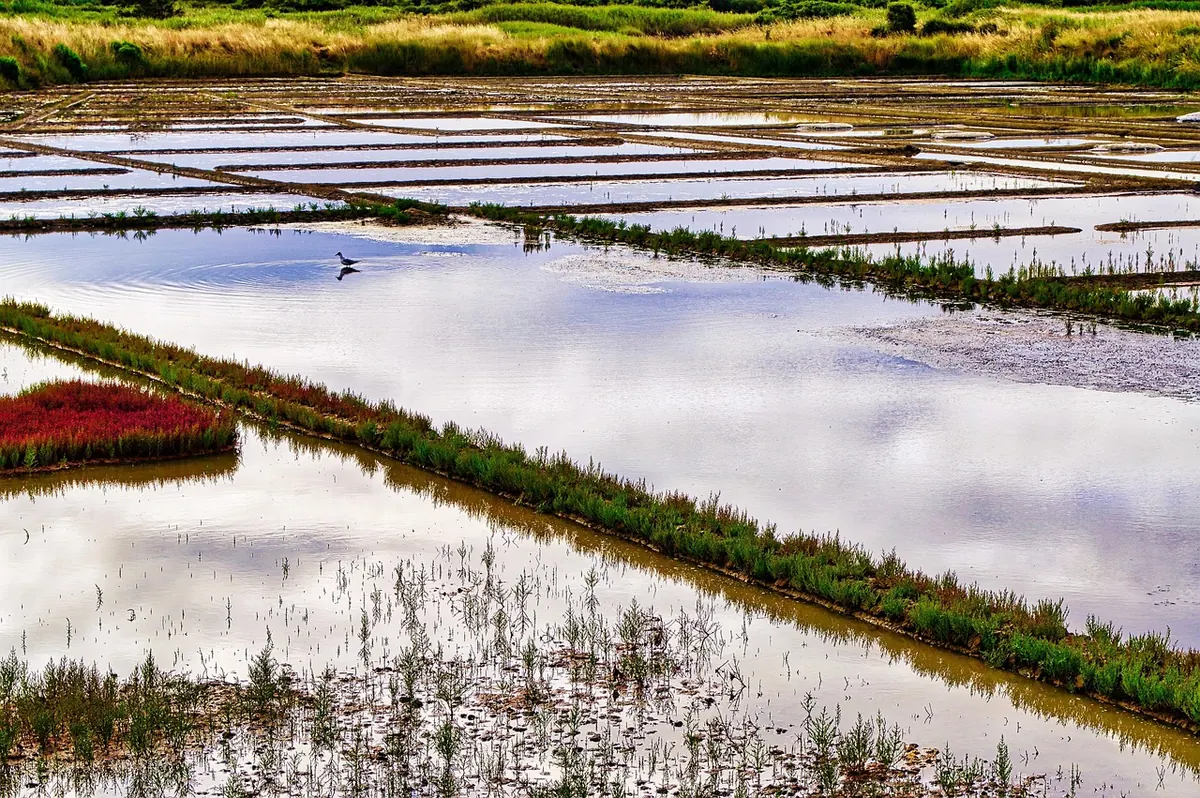
A lagoon rewards slow attention. The light shifts, the tide slides out, and a channel that looked deep at breakfast becomes a sheet of rippled mud by afternoon. First-time visitors often arrive with a camera and a checklist. The place asks for something simpler: watch where you step, keep your voice low, and treat the water and the villages around it as someone’s home. None of that requires special equipment. It requires a little forethought.
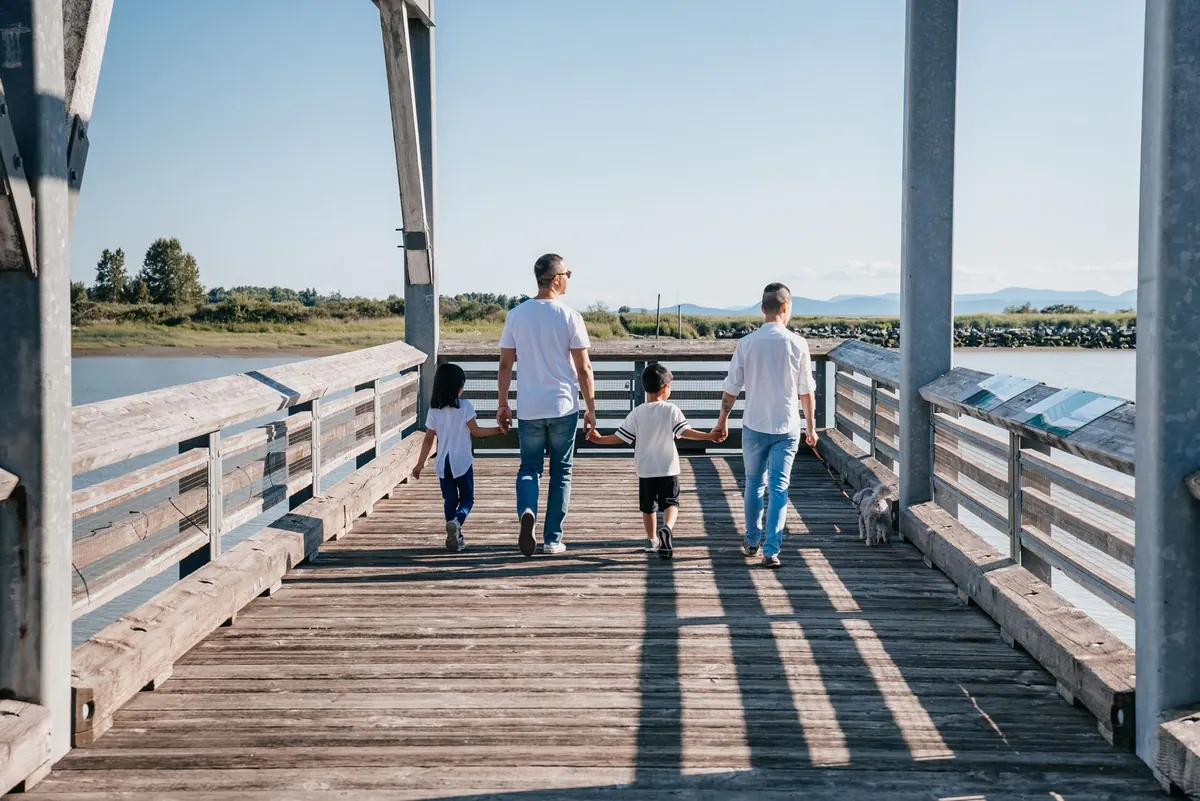
Stay on the marked path, even when it looks optional
Lagoon paths are not decorative. A boardwalk protects salt marsh roots and soft sediment; a marked channel keeps a small boat off a mudflat that could hold it for hours. When a route is closed, there is usually a reason — nesting birds, fragile vegetation, a damaged bank, or a working boat that needs the space. Climb the gate, cut across the grass, or follow a tempting footprint in the mud and you may save five minutes while causing damage that lasts a season.
If the path fades, turn back. If the tide is already low and the route looks unfamiliar, ask before you commit. A local map or a quick question at a boat rental or visitor point is worth more than confidence. And keep to the edge of narrow paths when someone approaches; not every passing walker wants to step into the reeds to make room.
Watch wildlife without becoming part of the show
Quiet observation is the whole point. Binoculars help you see more without moving closer, and a zoom lens does the same for photographs. Keep a generous distance from birds, fish, and anything nesting or resting. If an animal changes behavior because of you — looking up, shifting away, calling repeatedly — you are too close. Back off slowly.
Do not feed wildlife, including gulls that seem to have mastered the art of loitering near picnic spots. Feeding changes behavior and can make animals dependent on visitors. Avoid playing recorded bird calls to lure a species into view; it can disturb birds during sensitive periods. Keep dogs leashed where required and away from nesting areas, and leave drones on the ground anywhere wildlife or other people are likely to be disturbed. If you are unsure whether a drone is allowed, assume it is not.
Three habits that make a difference
- Stop first. Before raising a camera or stepping off the main track, pause and scan for nests, resting birds, or fragile ground.
- Use your ears. Alarm calls are clear signals. Move away rather than waiting for a better shot.
- Stay low and slow. Sudden movement and a loud voice carry further across water than you expect.
Carry it out, sort it later
Pack out what you pack in, including apple cores, orange peel, and crumbs. “Biodegradable” does not mean invisible, and food waste attracts animals and looks like litter to the next visitor. Bring a small bag for rubbish, keep it closed, and carry it until you find a proper bin. If a bin is overflowing, do not add to it; take your waste with you.
A reusable bottle and a packed lunch usually create less waste than a stack of single-use containers. That matters on small islands where waste has to be moved by boat. Fill your bottle before you leave; refill points are not guaranteed on every route. Cigarette butts are not harmless; they are litter, and they can be mistaken for food by wildlife. Use an ashtray or carry them out. The same goes for fishing line, plastic wrap, and stray bits of tape from a camera bag. A quick pocket check before you leave a spot catches most of it.
Walk through villages as if you live there
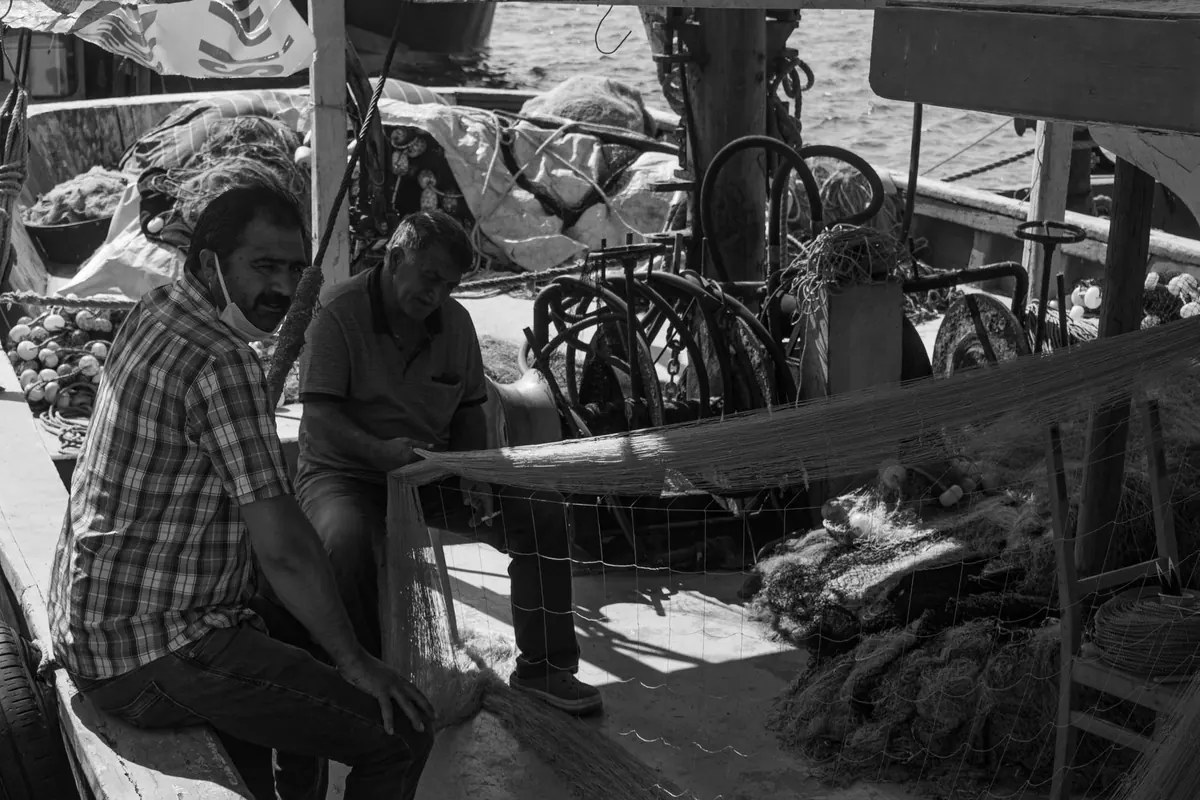
Inhabited lagoon areas are not film sets. Doorways, laundry lines, jetties, and vegetable gardens belong to people who may be trying to sleep, work, or enjoy a quiet afternoon. Keep your voice at conversation level, especially early in the morning and late at night. Do not block a narrow street to take a photograph, and do not lean on a private boat or sit on someone’s step without being invited.
Ask before photographing people, and accept a no without negotiation. A simple greeting in the local language goes a long way; so does buying a coffee or a postcard from a local business rather than treating the village as a free backdrop. If you are unsure whether an alley is public, stay on the obvious route. Curiosity is welcome; entitlement is not.
On the water, leave the smallest wake you can
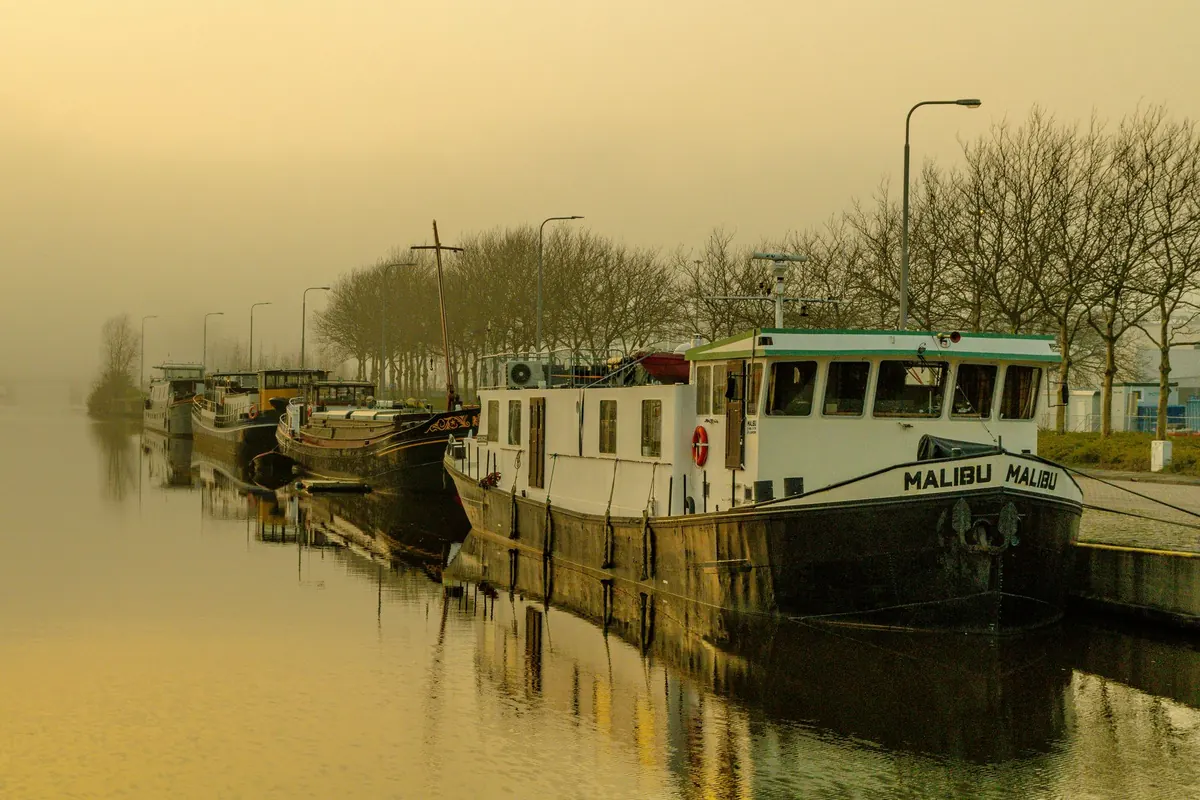
If you are paddling or driving a small boat, slow down near banks, moored vessels, and people working on the water. A wake erodes banks, rocks moored boats, and disturbs nesting birds. Follow local speed limits and no-wake zones, and keep a wide berth around fishermen and small craft. Do not beach a boat on salt marsh or reeds to explore; use a designated landing or stay aboard.
Keep music low or off. Sound travels across water, and one person’s playlist can be another person’s ruined morning. Check the weather and tide before setting out, wear the life jacket, and carry a charged phone in a waterproof pouch. If you hire a boat, listen to the handover and ask about shallow areas before you leave the dock.
A simple check before you set off
- Check the tide and weather for the hours you plan to be out, and leave a margin for changes.
- Mark your route on a local map, noting closures, landing points, and the last safe turn-back.
- Pack a reusable bottle, a rubbish bag, and layers for wind and sun.
- Bring binoculars if you have them, and leave the drone at home unless you have confirmed it is allowed.
- Learn two local phrases: a greeting and a thank-you. They open more doors than a long lens.
- Ask if you are unsure — at a rental desk, a visitor point, or a local shop. Most people would rather answer a question than repair a mistake.
The payoff of good manners
Etiquette is not a list of restrictions designed to spoil a day out. It is what keeps a lagoon worth visiting: clean water, undisturbed nesting areas, working villages, and paths that remain open because visitors treat them well. You do not need to be an expert to get this right. Keep your distance, take your rubbish with you, stay on the marked route, and remember that someone lives here.
If you make a mistake — and most first-timers will, at some point — correct it quietly and move on. Pick up the wrapper, step back from the nest, lower your voice. The lagoon is generous with second chances. Take one, and leave the place a little better than you found it.
Photo: Ghost Acolyte / Pexels
Related Articles