Nature Trails
Best Time of Year to Visit the Venice Lagoon for Wildlife, Crowds, and Light
The Venice lagoon is not one place with one season. It is a shallow, tidal world of mudflats, salt marsh, fishing channels, and island edges, and its character shifts every few weeks. Birds come and go, paths dry out or turn to mud, the sun moves, and the ferries fill or empty. If you are choosing when to visit for wildlife, quiet walking, or photography, the honest answer is: it depends which of those you weight most heavily. This month-by-month guide gives you the trade-offs.
December to February: the quiet lagoon
Winter is the least crowded season on the lagoon’s outer paths and the most rewarding for many birdwatchers. Waterfowl, waders, herons, egrets, and cormorants use the sheltered shallows and mudflats, and the bare vegetation makes them easier to see. The light is low and often soft—good for muted landscapes and long shadows, less good for bright blue water.
What to expect
Venice itself can be busy around Christmas and New Year, but the lagoon islands and nature trails are usually calm. Cold, damp wind is common, and fog can cancel a sunrise or turn a short walk into a slow one. Acqua alta can affect low-lying paths, so check tide forecasts before setting out. Days are short; plan one main outing rather than three.
Practical tips
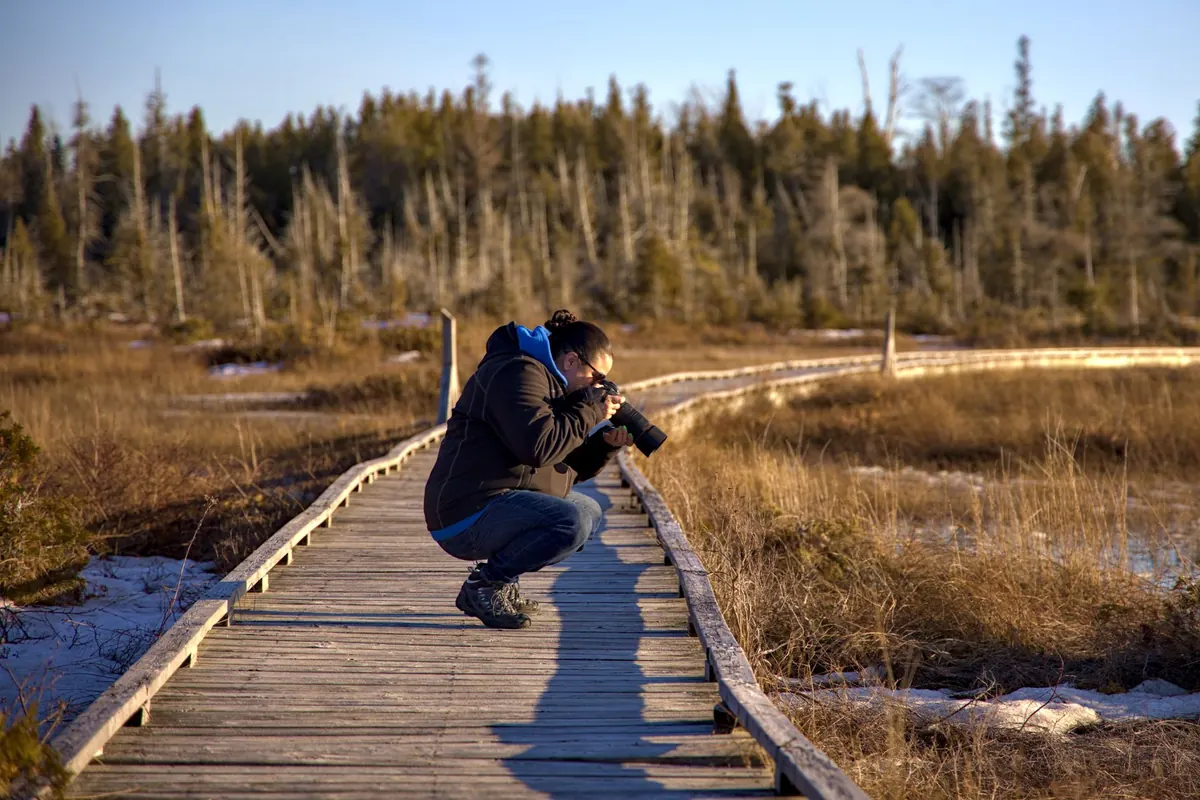
Wear waterproof boots, not just trainers. Carry a warm layer and something windproof. If you are photographing, a telephoto lens earns its weight; a tripod is useful in low light but a nuisance on narrow paths. Keep your distance from feeding flocks, and avoid flushing birds repeatedly.
March and April: migration starts
March is a transition month: some winter birds linger, early migrants arrive, and the light begins to stretch. April is often better for variety. Breeding plumage appears, courtship displays begin, and the salt marsh starts to green up. Crowds are moderate, except around Easter and long weekends, when Venice and the main islands can feel busy.
The weather is changeable. You can get clear, cool mornings and sudden showers. Paths may still be muddy, and wind can make open water uncomfortable. For photography, April offers misty dawns, fresh greens, and more usable hours of light than midwinter. For walking, it is a good month to combine short lagoon trails with island visits.
Where the season helps
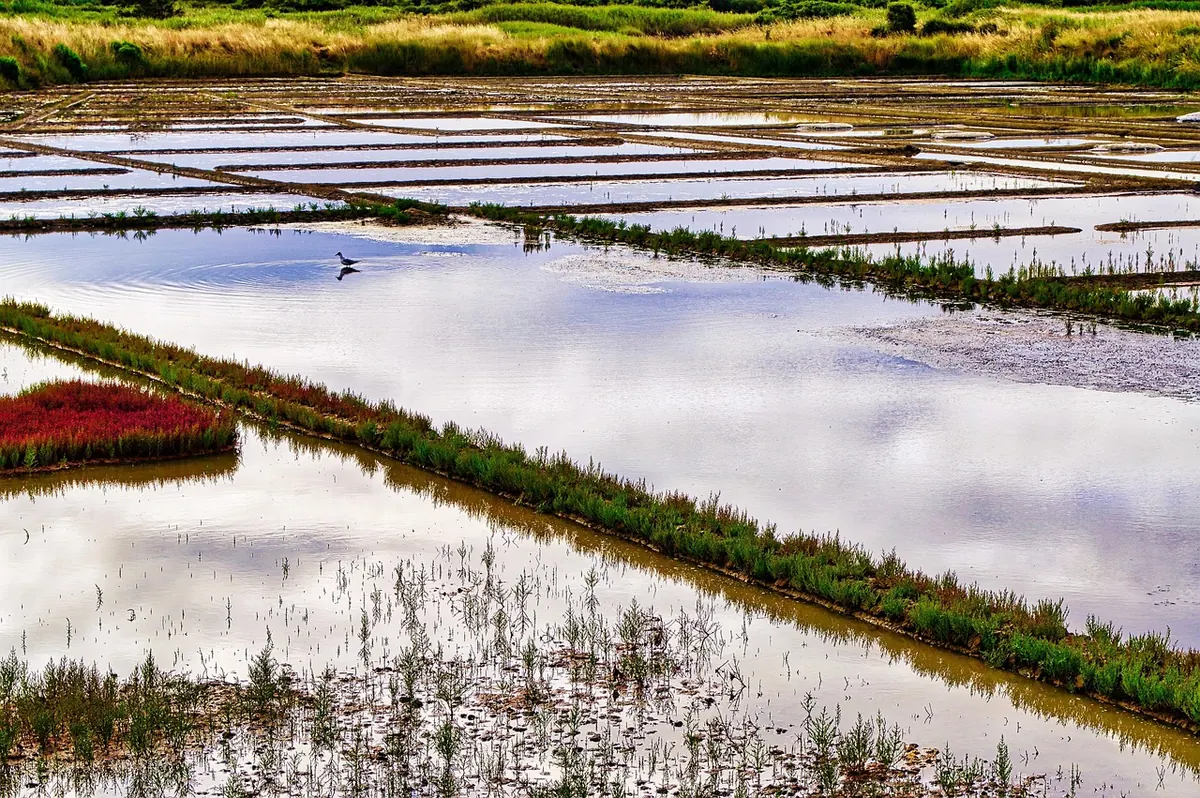
Look for shallow-water species in the quieter reserves and along the edges of fishing channels. Early morning is the best time for both birds and photographs; by late morning, many visitors arrive and bird activity settles. If a path passes close to nesting areas, stay on the marked route. Disturbance at this time of year has consequences beyond a single photograph.
May: the balanced month
May is the easiest all-round choice for many visitors. Days are long, temperatures are usually pleasant rather than punishing, and the lagoon is at its greenest. Breeding birds are active, and there is still movement from migrants. Crowds are rising but not yet at summer levels, especially on weekday mornings.
This is a strong month for photography if you can get out early. Sunrise can be soft and misty, and the low angle of the light picks out textures in the marsh. By midday, contrast hardens. Insect life increases, especially near still water and vegetation, so bring repellent if you are sensitive.
Book accommodation earlier if you are travelling around a public holiday. On the water, ferries and popular islands fill up; on the lagoon trails, the difference between 7am and 11am is considerable. Respect closed nesting areas and keep to paths even when a shortcut looks tempting.
June to August: heat, haze, and early starts
Summer is not the best season for birding, but it is not a dead season either. Wildlife activity shifts to the cooler edges of the day. Midday is hot, bright, and often hazy; the light is harsh, and long walks can be uncomfortable. Crowds are at their peak, particularly in Venice and on the main island routes.
If you visit in summer, treat dawn as the main event. Start before the ferries fill, walk a short route, and be back before the heat builds. Carry more water than you think you need, use sun protection, and plan shade or indoor visits for the afternoon. Mosquitoes can be persistent near marsh and woodland edges.
Photographically, summer gives you dramatic skies if you are lucky with storms, but the classic soft lagoon light is scarce. A polarising filter can help with reflections, and a hat is not optional. For wildlife, choose quieter channels and reserves rather than the busiest islands, and avoid pressing close to birds for a phone shot.
September to November: the photographer’s season
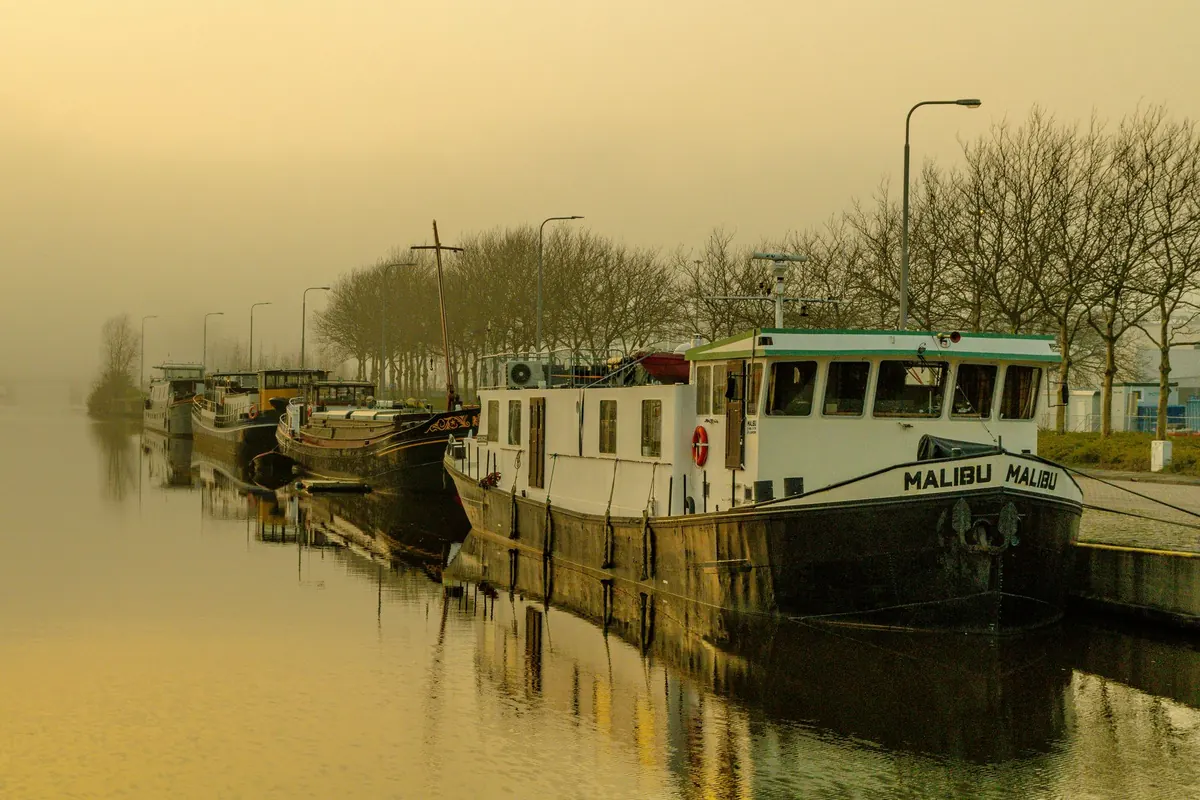
Autumn is the strongest season for many lagoon photographers and birdwatchers. Migration brings variety, the light softens, and crowds fall away after the first half of September. October is often the sweet spot: comfortable temperatures, low sun, and active birdlife. November is quieter and moodier, with fog, wind, and the arrival of wintering species.
Rain is possible, and paths can be slippery. Reserve opening hours may change with the season, so check before you travel. Some areas are managed for waterfowl and may have seasonal restrictions; stay on signed routes and follow local notices.
For photography, autumn offers warm light, long reflections, and more usable daylight than winter. For walking, it is cool enough for longer routes. The trade-off is unpredictability: a clear forecast can turn grey over the lagoon, so build flexibility into your plan.
How light and tides shape the day
The lagoon’s light changes with tide, wind, and cloud as much as with month. Low tide exposes mudflats and creates patterns; high tide fills creeks and reflects sky. A strong wind can flatten reflections and make open water choppy. Before any photography outing, check the tide table and the wind forecast, then choose a route that works with the water, not against it.
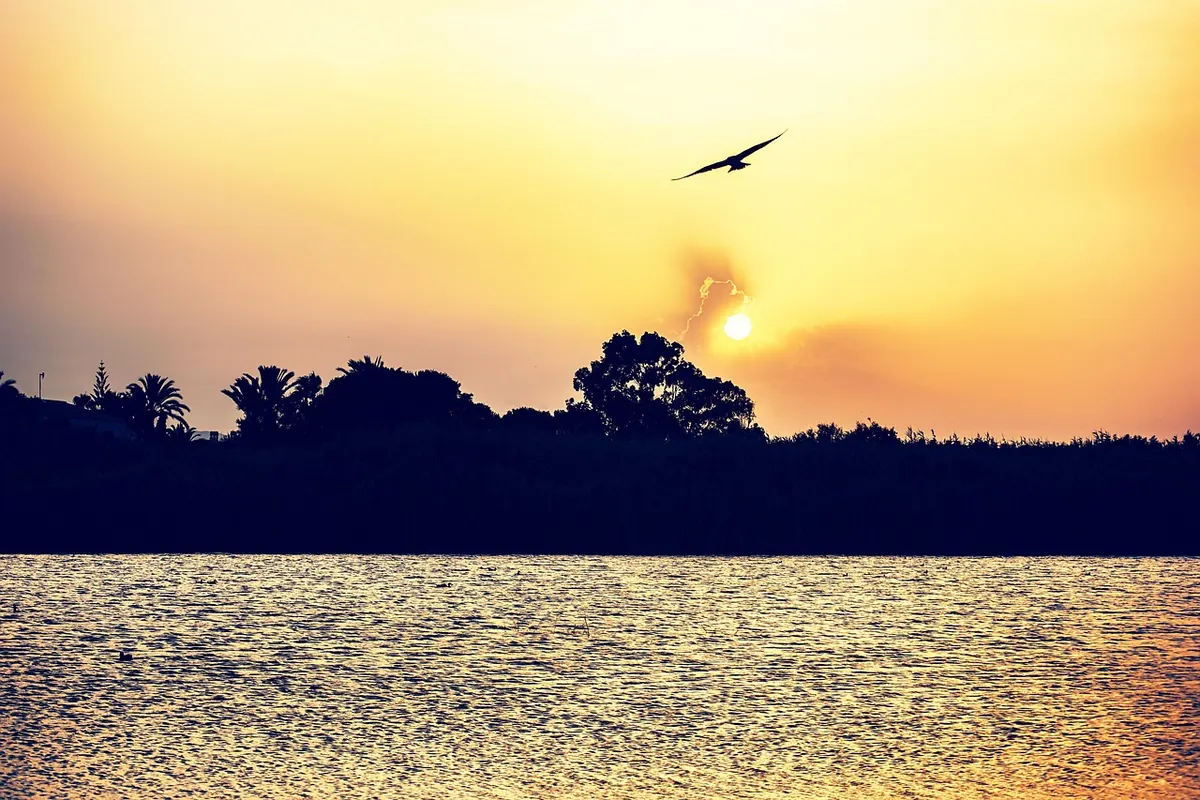
Sunrise over the eastern lagoon and sunset over the mainland give different moods. In winter, the sun stays low all day; in summer, it is high and hard by mid-morning. If you want soft light, plan around the first and last hour, and accept that the middle of the day is for walking, eating, or resting rather than photography.
A practical shortlist
If you want one simple recommendation: aim for late April to early June or September to mid-October. Those windows give you the best balance of birdlife, path conditions, light, and manageable crowds. Then adjust for what you care about most.
- Quietest paths: December to February and November, avoiding holiday weekends.
- Best birdlife: November to March for wintering waterfowl and waders; April to May and September to October for migration.
- Best light for photography: low winter sun, May mornings, and September to October.
- Best all-round weather: May and September.
- Busiest and hottest: July and August, especially midday; plan dawn outings or stay near the coast.
Pack layers, waterproof footwear, binoculars, and a tide app or printed table. Leave space in your plan for weather. The lagoon rewards patience more than a packed itinerary: one slow walk at the right hour usually beats three rushed ones.
Photo: ELG21 / Pixabay
Related Articles