Lagoon Guides

How to Plan a Venice Lagoon Day Trip by Vaporetto, Ferry, and Foot
The lagoon looks small on a map, which is exactly why so many day plans fall apart by noon. Boats only run where the channels allow, some lines stop at every pontoon while others skip half the islands, and a single crossing can swallow half an hour before you have properly sat down. The good news is that the public network is genuinely well built once you understand its logic. What follows is the order of decisions that matters: choose the shape of the day, buy the right ticket, learn a handful of routes, then let walking fill the gaps.
Start with the shape of the day, not a checklist
Almost every failed lagoon itinerary has the same origin: someone wrote down Murano, Burano, Torcello, Lido and San Marco, then tried to fit them into eight hours. The lagoon does not work that way. Distances between islands are longer than they look, and every hop costs you a wait on a pontoon as well as the ride itself.
Pick one axis and commit to it. There are three sensible shapes:
- North lagoon: Murano, Burano and Torcello, launched from Fondamente Nove. Glass, colour and quiet, in that order.
- South lagoon edge: Lido, Pellestrina and, if you start early, Chioggia. Sand, bicycles and a fishing town that feels nothing like Venice.
- City and water: the Grand Canal by boat plus two or three walks, with one short island hop if the day is going well.
Any one of those makes a full, satisfying day. Two of them make a rushed one.
Buy the right ticket before you step on board
Public transport in the lagoon runs on time-based passes rather than single fares for most visitors. A single ride ticket covers a limited window and is fine if you are only crossing once, but the moment you plan three or four boat journeys, a daily or multi-day pass usually costs less and removes the small anxiety of tapping in and out.
Buy from the ticket machines at major stops, the staffed booths at Piazzale Roma, Ferrovia and San Zaccaria, or the official app. Not from anyone who approaches you on the pontoon. Validate the ticket or tap the reader at the turnstile before boarding, keep the card dry and with you, and remember that airport boats run by Alilaguna are a separate service with separate tickets.
The gondola ferries that cross the Grand Canal at fixed points — the traghetti — are their own small system. You pay on board, usually in cash, for a crossing that lasts barely two minutes. Keep a few coins or small notes for this; it is one of the cheapest and most memorable things you will do all day.
Learn four things about the network and you can ignore the app
Route numbers change with the season and with works on the canals, so treat any list as a starting point and read the board at the pontoon. That said, the structure is stable enough to plan around.
- Line 1 runs the length of the Grand Canal, stopping everywhere. Slow, crowded at peak hours, and still the best introduction to the city you can buy for the price of a boat ticket.
- Line 2 covers much of the same ground faster, with fewer stops. Use it when the canal is transport rather than sightseeing.
- Line 12 from Fondamente Nove is the workhorse for Murano and Burano; Torcello is a short connecting hop from Burano.
- Line 13 also leaves from Fondamente Nove and serves Murano, Vignole and Sant'Erasmo, the vegetable island, if you want a day with almost no other visitors.
- Line 14 links San Zaccaria with the Lido and continues to Punta Sabbioni at the lagoon mouth.
- Line 11 runs from the Lido down to Pellestrina and Chioggia, part boat, part bus, and rewards an early start.
Two habits will save you more time than any app. First, read the destination on the front of the boat, not just the number on the side; several lines run in both directions from the same pontoon. Second, learn which hub you are using. Fondamente Nove is the northern gateway, San Zaccaria and San Marco Giardinetti the southern one, Piazzale Roma the connection to the mainland. Most good itineraries are built around one hub, not three.
The arithmetic of a lagoon day
Ride times are only half the story. In practice, a day on the water breaks down like this:
- Every boat leg costs the ride plus a wait of anything from a few minutes to twenty, longer on minor lines and in bad weather.
- Every island deserves at least 45 minutes ashore, and Murano or Burano comfortably take 90.
- A sit-down lunch is an hour, and longer in high season if you want a table with a view.
- Two long boat legs and two islands is a solid day. Three islands is ambitious. Four is a race.
The single most useful thing you can do is check the last return boat before you leave in the morning, and know where the backup route goes if you miss it. Keep one hour of slack in the plan. Not because things usually go wrong, but because the best moments on the lagoon tend to happen when you are not counting minutes — a bench on Torcello, a slow second coffee on Burano, a detour down a Lido street that turns out to be the nicest part of the day.
Pairing boats with walks that earn their place
Half the pleasure of these islands is on foot, and a little planning here makes the boat legs feel purposeful rather than random.
On the islands
On Murano, get off at one stop and walk to another along the main canal rather than looping back to the same pontoon; the glass furnaces and the quieter side canals sit between them. On Burano, a simple circuit of the painted houses takes under an hour and rewards anyone willing to leave the main street. Torcello is a ten- to fifteen-minute walk from the pontoon to the basilica, flat and shaded in parts. On the Lido, walking or hiring a bicycle along the lagoon side gives you a very different coastline from the beachfront.
In the city
If your day starts or ends in Venice, use the traghetto crossings instead of walking back to the nearest bridge — they are signposted, quick, and put you on the other bank exactly where you wanted to be. A walk from Cannaregio to Fondamente Nove, or through Castello down to San Zaccaria, links two boat hubs through streets most day visitors never see.
A sample day that actually holds together
- Start at Fondamente Nove in the morning, before the Murano crowds build, and take the boat to Murano.
- Walk the canal between two stops, look at glass, and leave after roughly an hour and a half.
- Continue to Burano for lunch and a slow circuit of the coloured houses.
- Take the short connection to Torcello, walk to the basilica, and sit somewhere quiet for twenty minutes.
- Return to Fondamente Nove and finish on foot through Cannaregio, with an evening boat down the Grand Canal or a traghetto crossing as the light goes.
That is one axis, three islands, all of it on public boats, and it leaves room for the day to surprise you. Swap in the southern version — Lido, Pellestrina, Chioggia — on a second visit, when you already know how the boats behave.
What to carry, and what to leave behind
Bring water, a hat in summer, comfortable shoes for stone and bridge steps, a light layer for the wind on deck, and cash for traghetti and small bars. Download an offline map and check the day's timetables the night before; signal on the water is not guaranteed. Leave bulky luggage at your accommodation, and think twice about heavy island hopping with a pushchair — the bridges and boat steps make it hard work.
Above all, resist the temptation to add one more stop. The lagoon rewards a plan with space in it, and the day you remember will be the one where you had time to sit still and watch the water instead of running for a boat.
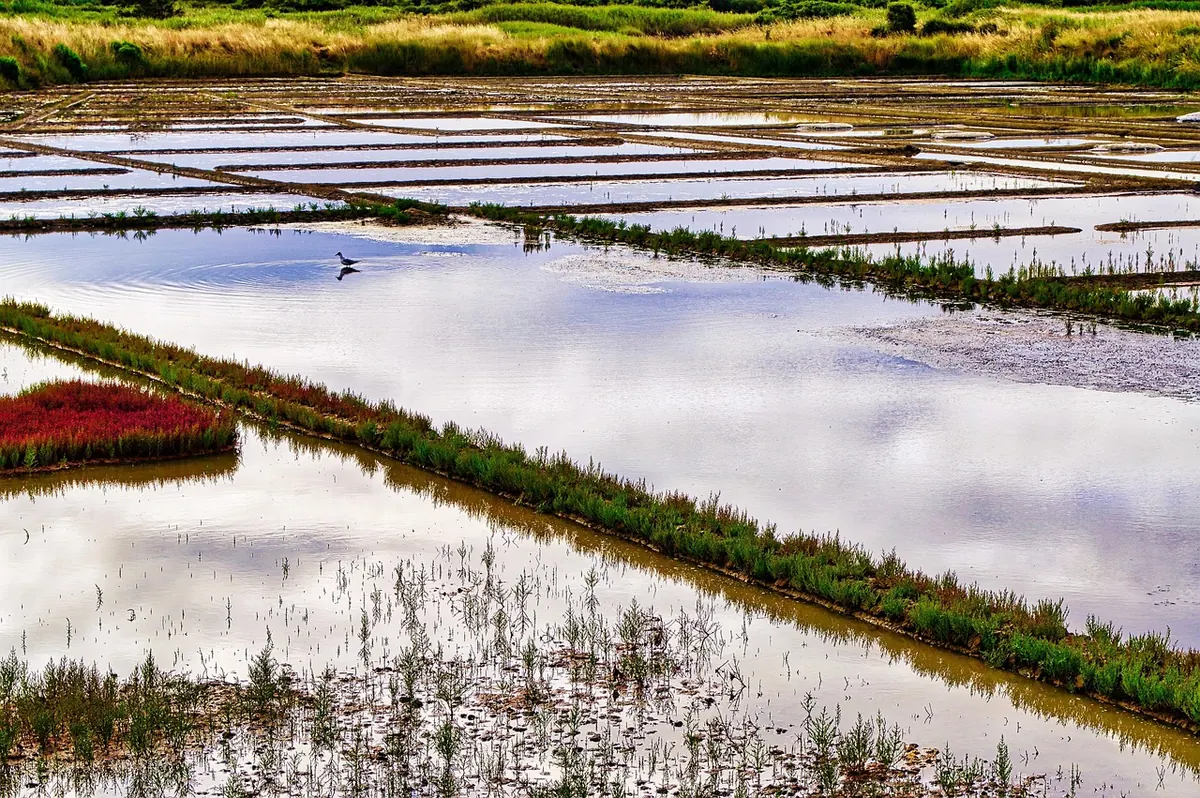
Photo: garten-gg / Pixabay
Related Articles